
It's 6pm, the fridge looks like a still life in beige, and everyone's hungry. This is a situation most households face at least three times a week — not a failure of planning, just the reality of modern life. The good news is that a proper dinner, something genuinely satisfying and not just reheated or thrown into a bowl, can come together in twenty minutes flat when you know where to look.
Spring is nudging its way through in late March, which means the shops are stocking the first British asparagus alongside reliable staples like eggs, tinned chickpeas, frozen peas, and dried pasta. These 18 dinners use what's already on your shelves, what's fresh right now at the market, and what can be on the table before the hungry complaints reach their peak. Apron on — let's get moving.
With the right knowledge, a satisfying dinner, not just a reheated meal, can be ready in twenty minutes.
Garlic butter prawns with crusty bread
Frozen prawns, defrosted under cold running water in five minutes, are one of the most underrated quick-dinner ingredients in any British kitchen. Melt 40g unsalted butter in a wide pan over high heat, add 3 crushed garlic cloves and 400g raw peeled prawns, and sear for two minutes each side until the shells blush pink and the butter turns faintly nutty. Finish with a squeeze of lemon and a handful of flat-leaf parsley. Serve straight from the pan with thick slices of sourdough to catch every last drop of that sauce.
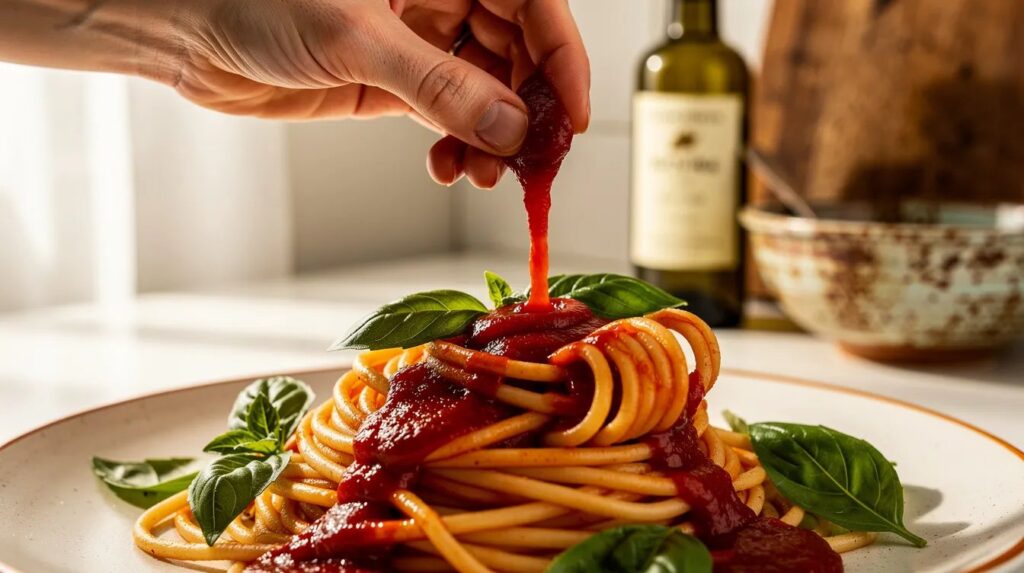
Spaghetti aglio e olio
One of the great Italian peasant dishes, and one that rewards quality olive oil above everything else. Cook 400g spaghetti in well-salted boiling water according to packet instructions. Meanwhile, warm 6 tablespoons of extra-virgin olive oil in a large frying pan, add 5 thinly sliced garlic cloves and a generous pinch of dried chilli flakes, cooking on low until the garlic turns pale gold — not brown, which would make it bitter. Drain the pasta, reserving a mug of cooking water, then toss everything together with a splash of that starchy water to emulsify the sauce. Finish with grated Parmesan and cracked black pepper.
Smashed avocado eggs on sourdough
Two eggs fried in olive oil, two slices of toasted sourdough, one ripe avocado mashed with lemon juice and a pinch of sea salt. This is dinner, not just brunch. Add a scattering of dried chilli flakes and a drizzle of extra-virgin olive oil. If you have cherry tomatoes on the vine, roast them under the grill for five minutes while everything else comes together.
Chicken stir-fry with soy and ginger
Slice 2 chicken breasts as thinly as possible — they cook in under three minutes when thin. Heat a wok until smoking, add a tablespoon of vegetable oil, then the chicken in a single layer. Don't stir for ninety seconds; let it colour. Add 1 tablespoon fresh grated ginger, 2 tablespoons soy sauce, 1 tablespoon sesame oil, and whatever vegetables are in the bottom of the drawer — spring onions, frozen peas, shredded cabbage. Serve over microwave rice.
Tinned tomato and white bean soup
A bowl of this in late March hits differently — warming enough for the lingering chill, light enough for a season that's starting to turn. Soften 1 diced onion and 2 garlic cloves in olive oil for three minutes, then add 1 tin of chopped tomatoes, 1 tin of cannellini beans (drained), and 400ml vegetable stock. Simmer for ten minutes, season generously, and blend half the soup for a thick, textured finish. A swirl of good olive oil and torn basil to serve.
Pea and mint frittata
Frozen peas, barely thawed, work beautifully here alongside fresh spring mint, which is starting to appear at farmers' markets right now. Whisk 6 eggs with 3 tablespoons crème fraîche, salt, pepper, and a handful of torn mint. Pour into an ovenproof frying pan with 150g frozen peas and 50g crumbled feta. Cook on the hob for four minutes until the base sets, then slide under a hot grill for three minutes until the top is golden and just set. Cut into wedges and serve with a green salad.
Prawn and coconut noodles
Rice noodles need only soaking in boiling water for four minutes — no hob required. While they soak, simmer 1 tin of coconut milk with 2 tablespoons Thai red curry paste, 1 tablespoon fish sauce, and a squeeze of lime for five minutes. Add 200g frozen prawns and cook until just pink. Drain the noodles, divide into bowls, and ladle the broth over the top. Fresh coriander and a wedge of lime to finish.
Halloumi and roasted pepper wraps
Slice 250g halloumi into thick planks and fry in a dry pan for two minutes each side until deeply golden with those characteristic dark char marks. Warm flour tortillas directly over a gas flame for ten seconds each side. Fill with the halloumi, strips of jarred roasted peppers, shredded little gem lettuce, and a spoonful of harissa yoghurt — made by stirring 1 teaspoon harissa into 3 tablespoons Greek yoghurt. Roll and eat immediately.
Tuna pasta bake — weeknight speed version
Cook 350g penne until just shy of al dente. Drain, then mix directly in the pan with 2 tins of tuna (drained), 1 tin of sweetcorn, 200ml crème fraîche, 1 tablespoon Dijon mustard, and a generous handful of grated Cheddar. Pour into an oven dish, top with more Cheddar and a scattering of breadcrumbs, and grill on high for five to six minutes until bubbling and golden. No béchamel, no fuss.
Egg fried rice
This is a dish that actively improves when made with cold leftover rice — freshly cooked rice is too wet and clumps. Heat a wok over the highest flame your hob will give. Add 2 tablespoons vegetable oil, then 400g cooked rice, spreading it across the surface and leaving it untouched for ninety seconds to develop a crust. Push to one side, scramble 3 eggs in the empty space, then fold everything together with 3 tablespoons soy sauce, 1 teaspoon sesame oil, and frozen peas or spring onions. The whole thing takes eight minutes.
Asparagus and Parmesan pasta
British asparagus season is just beginning to stir in late March — look for thin, bright green spears at your greengrocer. Snap off the woody ends and cut the spears into thirds. Cook 350g linguine in salted water, adding the asparagus for the last three minutes of cooking time. Drain, reserving a cup of cooking water. Toss with 4 tablespoons extra-virgin olive oil, 60g finely grated Parmesan, a squeeze of lemon, and enough pasta water to create a loose, silky sauce. Black pepper over the top.
Chickpea and spinach curry
Fry 1 diced onion and 2 garlic cloves in oil for three minutes, then add 2 tablespoons tikka masala paste and cook for one minute until fragrant. Add 2 tins of chickpeas (drained) and 1 tin of chopped tomatoes. Simmer for eight minutes, then stir in 100g baby spinach until wilted. Season well. Serve with warmed naan or basmati rice. A spoonful of yoghurt and some mango chutney on the side.
Salmon with lemon and capers
Season 2 salmon fillets generously with salt and pepper. Heat a knob of butter and a splash of oil in a frying pan over medium-high heat. Place the salmon skin-side down and press gently for the first thirty seconds to stop the skin from curling. Cook for four minutes, then flip for two more. The skin should be crisp and the flesh just translucent at the very centre. Deglaze the pan with a squeeze of lemon, add 1 tablespoon capers, and spoon the sauce over. Serve with steamed tenderstem broccoli.
Quesadillas with black beans and cheese
Drain and roughly mash 1 tin of black beans with a fork. Spread over one half of a large flour tortilla, scatter with 80g grated mature Cheddar and a spoonful of jarred jalapeños, then fold over. Cook in a dry frying pan for two to three minutes each side, pressing down with a spatula, until the cheese melts and the tortilla turns deep gold. Cut into wedges. Serve with soured cream and a sharp little salsa made from diced tomatoes, red onion, and lime juice.
Mushroom and thyme omelette
A proper French omelette — smooth and just set, pale golden on the outside, still slightly creamy within — is a skill worth having and one that takes exactly three minutes per person. Sauté 150g sliced chestnut mushrooms with 1 teaspoon fresh thyme leaves in butter until their liquid evaporates and they turn golden. Set aside. Whisk 3 eggs per person with a pinch of salt. In a small pan over high heat, melt butter until it foams, pour in the eggs, and stir continuously with a fork while shaking the pan. When just set, spoon the mushrooms across the centre and fold. Slide onto the plate, seam-side down.
Pesto gnocchi with cherry tomatoes
Shop-bought fresh gnocchi cooks in two to three minutes in salted boiling water — they float when ready. Halve 200g cherry tomatoes and warm them briefly in a frying pan with olive oil until they just begin to soften. Drain the gnocchi, toss with 3 tablespoons good-quality basil pesto, the tomatoes, and a squeeze of lemon. A handful of pine nuts toasted in the dry pan adds crunch. Parmesan shaved over the top.
Lemon and herb couscous with feta
Pour 300ml boiling vegetable stock over 250g couscous, cover with a plate, and leave for five minutes. Fluff with a fork, then fold through the juice of 1 lemon, 3 tablespoons olive oil, a large handful of chopped flat-leaf parsley and mint, 1 tin of chickpeas (drained), and 100g crumbled feta. Season generously. This works warm or at room temperature and keeps well in the fridge, making it one of the most versatile entries on this list.
Soy-glazed tofu with sesame noodles
Press 400g firm tofu between two plates with a weight on top for five minutes to remove excess moisture, then cut into cubes. Toss with 2 tablespoons soy sauce, 1 tablespoon honey, and 1 teaspoon sesame oil. Fry in a hot pan for four to five minutes, turning until all sides are caramelised and sticky. Cook egg noodles according to packet instructions, drain, and toss with a dressing of 2 tablespoons tahini, 1 tablespoon soy sauce, a teaspoon of rice vinegar, and a splash of warm water. Top with the tofu, toasted sesame seeds, and sliced spring onions.
Tips for making any of these even faster
The twenty-minute promise holds for all eighteen of these dinners, but a few habits make it consistently achievable rather than a stressful sprint.
Keep the following as permanent residents in your kitchen: a tin of coconut milk, two or three tins of chickpeas or white beans, a jar of good-quality pesto, dried pasta in at least two shapes, soy sauce, a block of Parmesan in the fridge, and frozen prawns in the freezer. With these seven things, you can make at least half the recipes above without a single trip to the shops.
Sharp knives reduce prep time dramatically — a dull knife is slower, less accurate, and considerably more dangerous. Keep a steel or whetstone within easy reach. Similarly, getting a pan properly hot before adding ingredients makes everything cook faster and colour better; a cold pan produces grey, watery results that take far longer to come right.
Mise en place — the habit of measuring and preparing everything before you start cooking — feels counterintuitive when time is short, but it eliminates mid-cook chaos. Chop the garlic, measure the soy sauce, drain the tin of beans before the pan goes on the heat. Those two minutes of preparation save four minutes of panicked searching when the butter is already browning.
What to keep in your kitchen right now
Late March in the UK sits in that productive gap between the last of the winter root vegetables and the opening act of spring. British asparagus is appearing at farm shops and good greengrocers. Wild garlic, if you know where to look, is at its peak in woodland edges and can replace basil in any pesto-based dish above. Frozen peas remain one of the most nutritionally complete convenience ingredients available — they're blanched and frozen within hours of picking, which preserves their sweetness and vitamin content better than most "fresh" peas that have sat in transit for days.
Eggs, a block of firm tofu, a bag of rice noodles, and two or three quality tins — these form the architecture of a genuinely good last-minute dinner repertoire. The recipes above aren't compromises. They're the kind of food that happens when a well-stocked kitchen meets a cook who knows what they're doing — even on the most chaotic of Tuesday evenings.
Questions about quick weeknight dinners
Can i batch-prep any of these to save even more time?
Several of these lend themselves to partial prep at the weekend. The chickpea and spinach curry, the tinned tomato and white bean soup, and the lemon herb couscous all keep well in the fridge for up to three days. The couscous can be made in a double batch and eaten cold as a lunch the following day. For the stir-fry and prawn dishes, slicing and portioning proteins in advance and storing them in airtight containers cuts active cooking time to under ten minutes.
Which of these are suitable for children?
The tuna pasta bake, egg fried rice, pesto gnocchi, quesadillas, and spaghetti aglio e olio (without the chilli) are all consistently popular with younger eaters. For the stir-fry and curry dishes, reduce or omit the chilli and adjust soy sauce quantities — children are often more sensitive to salt than adults. The mushroom omelette is a solid option for introducing young cooks to a fundamental kitchen skill.
Are any of these recipes suitable for someone eating plant-based?
Six of the eighteen are already fully plant-based as written: the soy-glazed tofu with sesame noodles, the chickpea and spinach curry, the tinned tomato and white bean soup, the lemon herb couscous (omit the feta or replace with a vegan alternative), the egg fried rice (use a plant-based egg substitute or simply omit), and the pea and mint frittata can be adapted using a chickpea flour base. Several others — the stir-fry, the prawn noodles — can be made vegan by substituting protein accordingly.
What's the best way to keep cooking times genuinely under 20 minutes?
The single most effective technique is to get your water boiling before you do anything else — fill the kettle, pour it into the largest pan you own, and put it on the heat immediately. This alone saves four to six minutes on any pasta or noodle dish. Simultaneously, read the recipe fully before you start so you understand which elements can happen in parallel. The asparagus pasta, for example, requires the asparagus and the pasta in the same pan for the final three minutes — knowing this in advance means you don't need to cook them separately.
How do i stop quick dinners from feeling repetitive?
Rotating your base ingredients makes the biggest difference. If you had pasta on Monday, move to rice or noodles on Wednesday and legumes on Friday. Within each base, the flavour profile can shift entirely — from Italian (garlic, olive oil, Parmesan) to South Asian (ginger, tikka paste, yoghurt) to East Asian (soy, sesame, ginger) — using largely the same pantry staples. Keeping two or three jars of different curry pastes, a bottle of fish sauce alongside the soy, and a selection of dried spices gives you access to a dozen different flavour directions without restocking frequently.