

Easter in the United Kingdom arrives this year with all the quiet ceremony it deserves — longer evenings, the first warmth in the garden, lamb at the butcher's already drawing a queue. Whether you're hosting the whole family around a table that hasn't been fully laid since Christmas, or simply looking for something worth baking on a slow Sunday morning, the recipes that follow have proven themselves over many years and many kitchens. These are not trend-driven or glossy magazine inventions. They are the dishes readers come back to, season after season, because they work.
From the hot cross bun pulled apart warm from the oven to the centrepiece leg of lamb perfumed with rosemary and anchovy, this collection spans the full arc of the Easter table — starters, mains, sides, puddings, and things to eat with a cup of tea on Good Friday afternoon. Each recipe has been chosen for its reliability, its depth of flavour, and its capacity to feed people who are genuinely hungry. Apron on.
Classic roast leg of lamb with rosemary and anchovy
| Preparation | 20 min |
| Resting | 30 min |
| Cooking | 1 hr 45 min |
| Serves | 6–8 |
| Difficulty | Medium |
| Cost | £££ |
| Season | Spring lamb, rosemary, garlic |
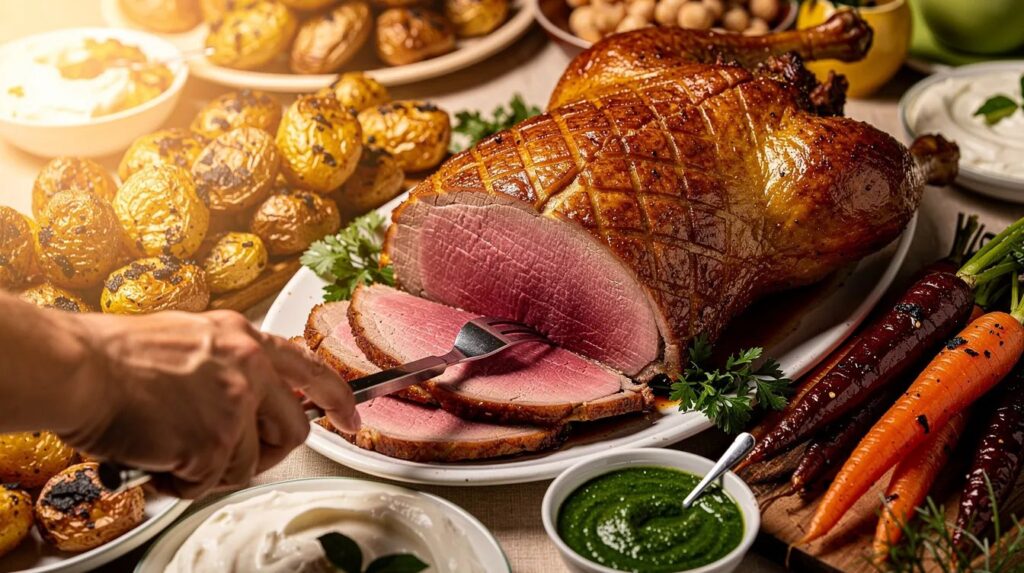
Anchovy might raise an eyebrow at the Easter table, but it dissolves entirely into the fat during roasting, leaving nothing behind but an extraordinary depth of savouriness. Use a small sharp knife to make deep incisions across the joint — around twenty, evenly spaced — then push half an anchovy fillet and a sliver of garlic into each one. Rub the whole surface with olive oil, a generous amount of flaky salt, and fresh rosemary stripped from its stalks. Roast at 200°C / 180°C fan for the first twenty minutes to colour the exterior, then reduce to 170°C / 150°C fan and continue until a probe thermometer reads 60°C at the thickest point for pink, 70°C for well done. Rest on a warm plate, loosely tented with foil, for at least thirty minutes before carving. The resting is not optional — it is where the joint becomes the finished dish.
Hot cross buns
| Preparation | 30 min |
| Proving | 2 hr |
| Cooking | 20 min |
| Makes | 12 buns |
| Difficulty | Medium |
| Cost | £ |
| Season | All year, traditional at Easter |
The hot cross bun is the most searched Easter recipe in the United Kingdom by some considerable distance, and homemade versions outperform any supermarket offering the moment they cool enough to handle. The dough wants strong white bread flour, fast-action dried yeast, whole milk warmed to just above body temperature, a beaten egg, softened butter, caster sugar, and a spice mix of ground cinnamon, mixed spice, and a small amount of freshly grated nutmeg. The fruit — plump sultanas soaked overnight in cold tea — goes in after the first knead. After the first prove, shape the dough into twelve equal balls, place snugly in a lined tin, and prove again until they press against each other. Pipe the crosses using a paste of plain flour and water. Bake at 200°C / 180°C fan for eighteen to twenty minutes until the tops are a deep amber. Glaze immediately with a warm apricot jam thinned with a little water — it sets to a lacquer-like shine within minutes.
Simnel cake
| Preparation | 40 min | |
| Cooking | 2 hr 15 min | |
| Serves | 12–14 slices | |
| Difficulty | Medium | |
| Cost | ££ | |
| Season | Dried fruits, lemon zest |
Simnel cake is a fruit cake with two layers of marzipan — one baked inside, one toasted on top — and eleven marzipan balls arranged around the crown, representing the apostles. The cake itself is a rich, spiced mixture of raisins, currants, mixed peel, and glace cherries bound together with butter, dark muscovado sugar, eggs, and self-raising flour. Press half the raw cake batter into a lined 20 cm round tin, lay a disc of marzipan over the surface, then top with the remaining batter. After baking and cooling completely, brush the top with apricot jam, press on another marzipan disc, arrange the eleven balls, and blowtorch or grill the whole surface until the marzipan takes on patches of dark gold. The flavour improves significantly after a day wrapped in greaseproof paper.
Easter egg chocolate bark
| Preparation | 15 min |
| Setting | 1 hr |
| Serves | 8–10 |
| Difficulty | Easy |
| Cost | £ |
| Season | Spring — use first strawberries if available |
This requires no baking and almost no skill, which is precisely why it has become a fixture in kitchens with children. Melt good dark chocolate — 70% cocoa solids minimum — over a bain-marie until completely smooth, pour onto a lined baking sheet, and spread to about 5 mm thick. Drizzle over melted white chocolate in thin lines, then drag a skewer through to create a marble effect. Scatter the surface with crushed mini eggs, freeze-dried raspberries, toasted pistachios, or the first small strawberries of the season sliced thinly. Refrigerate for one hour until set hard, then break into irregular shards. The contrast between the bitter dark chocolate and the pastel sweetness of mini eggs is exactly what the season calls for.
Roasted spring lamb chops with mint and pea sauce
| Preparation | 15 min |
| Cooking | 20 min |
| Serves | 4 |
| Difficulty | Easy |
| Cost | ££ |
| Season | Spring lamb, fresh mint, peas |
For smaller gatherings, lamb chops offer all the ceremony of a roast joint with a fraction of the commitment. Season the chops with salt, pepper, and a little ground cumin at least an hour before cooking — the salt draws moisture to the surface, which then reabsorbs, seasoning the meat through. Sear in a very hot cast-iron pan for three minutes per side until the fat cap renders to a crisp. For the sauce, blitz frozen peas (thawed) with a large handful of fresh mint, a small clove of garlic, the juice of half a lemon, a tablespoon of crème fraîche, and enough cold water to create a vivid, pourable consistency. Taste and correct with salt. The green of the sauce against the charred surface of the chop is a plate that announces spring without any further decoration needed.
Colomba-style easter bread
| Preparation | 45 min |
| Proving | 3 hr |
| Cooking | 35 min |
| Serves | 8–10 |
| Difficulty | Medium |
| Cost | ££ |
| Season | Candied orange peel, almonds |
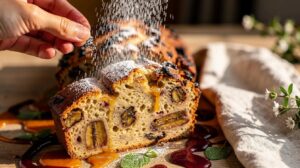
Inspired by the Italian colomba pasquale, this enriched dove-shaped bread has won consistent admirers across British kitchens for its feather-light crumb and fragrant candied orange peel. The dough is built similarly to a brioche: strong flour, eggs, butter, sugar, and a preferment allowed to develop overnight. Candied orange peel and a small amount of Grand Marnier folded through before the final shape. The surface glaze — a mixture of ground almonds, sugar, egg white, and whole blanched almonds scattered generously on top — bakes to a crackled, golden crust that splinters pleasingly when sliced. If a dove-shaped tin is not available, a standard 900 g loaf tin produces an equally well-received result.
Devilled eggs with watercress
| Preparation | 20 min |
| Cooking | 12 min |
| Makes | 24 halves |
| Difficulty | Easy |
| Cost | £ |
| Season | Spring eggs, watercress |
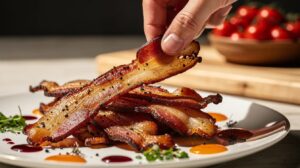
Devilled eggs have moved beyond the retro novelty category and back into serious circulation as a starter or grazing plate component. Hard-boil twelve eggs for exactly eleven minutes from cold water coming to the boil, then transfer immediately to iced water to prevent the grey ring forming around the yolk. Halve lengthways, push the yolks through a fine sieve for a perfectly smooth filling, then combine with good mayonnaise, a teaspoon of Dijon mustard, a few drops of Worcestershire sauce, white wine vinegar, and a pinch of cayenne. Pipe back into the whites using a piping bag, top with a small sprig of watercress, a fragment of crispy smoked bacon, or a sliver of pickled cucumber. The watercress — peppery, fresh, in its prime in spring — lifts the richness of the yolk mixture with very little effort.
Spring vegetable tart with gruyère and tarragon
| Preparation | 30 min |
| Chilling | 30 min |
| Cooking | 45 min |
| Serves | 6 |
| Difficulty | Medium |
| Cost | ££ |
| Season | Asparagus, peas, leeks, tarragon |
This tart works equally well for lunch and supper, and it showcases the best of spring produce: asparagus, young leeks, fresh peas, and tarragon, all available at the same time. Make a shortcrust pastry with plain flour, cold butter, a pinch of salt, and just enough cold water to bring it together without overworking. Rest for thirty minutes, blind bake at 190°C / 170°C fan until pale gold. For the filling, whisk together three whole eggs, two additional yolks, 300 ml double cream, a handful of finely grated Gruyère, and a small bunch of tarragon leaves stripped and roughly torn. Blanch the asparagus spears briefly, arrange over the pastry case with the peas scattered between, pour over the custard, and bake until just set with the faintest wobble at the centre. Rest for ten minutes before cutting — a tart sliced immediately will weep and lose its structure.
Lemon posset with shortbread
| Preparation | 10 min |
| Setting | 4 hr |
| Serves | 6 |
| Difficulty | Easy |
| Cost | £ |
| Season | Lemon, cream |
Lemon posset requires three ingredients and sets without gelatine — the acid in the lemon juice reacts with the proteins in the cream to produce a silky, spoonable texture that sits somewhere between a mousse and a very light panna cotta. Bring 600 ml double cream and 150 g caster sugar to a gentle boil, stirring to dissolve the sugar. Remove from the heat, stir in the freshly squeezed juice of three large unwaxed lemons, and pour immediately into six chilled serving glasses. The mixture will look thin — this is correct. Refrigerate for a minimum of four hours. Serve with a thin shortbread biscuit rested across the rim of each glass and, if the season permits, the first British strawberries alongside.
Chocolate nests with praline cream
| Preparation | 25 min |
| Setting | 1 hr |
| Makes | 12 nests |
| Difficulty | Easy |
| Cost | £ |
| Season | Spring — chocolate, mini eggs |
The chocolate nest is one of those recipes that asks very little of the cook and returns something that genuinely pleases every age at the table. Melt a mixture of dark and milk chocolate together, stir through shredded wheat cereal — crushed lightly between the palms — until every strand is coated. Spoon into a silicone muffin tray, pressing a well into the centre of each. Refrigerate for one hour. For the praline cream, whip 200 ml double cream to soft peaks, fold through two tablespoons of hazelnut praline paste and a small pinch of fleur de sel. Pipe a cloud of the cream into each nest and top with three mini eggs. The praline cream turns a childhood recipe into something that holds its own on an adult Easter table.
Chef's notes for the easter weekend
The most consistent mistake at the Easter table is cooking lamb from cold. Take the joint from the refrigerator at least two hours before it goes into the oven — a cold joint contracts on contact with heat, tightening the muscle fibres and making even a well-timed roast tougher than it should be. Room-temperature meat cooks more evenly, browns better, and rests more successfully. The same principle applies to any cut: chops, shoulder, rack. For the baking recipes, weigh everything — spring baking in a kitchen that fluctuates between cold mornings and afternoon warmth means yeasted doughs can behave unpredictably. Trust the dough rather than the clock.
Planning the easter table
Most of the recipes above can be organised across the long weekend without creating a bottleneck on Easter Sunday. The simnel cake improves with two or three days of rest wrapped in greaseproof paper. Hot cross buns are best eaten on Good Friday, still warm, but freeze well if baked a day ahead. Lemon posset sets overnight and requires nothing further. The chocolate bark, the nests, and the devilled eggs can all be assembled on Saturday. That leaves Sunday free for the lamb — which, once understood, asks far less of the cook than its centrepiece status might suggest.
Sourcing and seasonal notes
British spring lamb comes into its own from March onward, and Easter 2026 falls at a point where butchers across the country will have excellent product available. Look for pale pink flesh rather than deep red — deep red indicates older, stronger-flavoured meat that benefits from slower, longer cooking rather than the relatively quick roast described above. Asparagus from British growers typically arrives from late April, but imported Spanish asparagus is available through March and works perfectly well in the tart. Watercress and mint are both in reliable supply. The first outdoor-grown British strawberries are unlikely before May, so imported fruit or freeze-dried alternatives are the practical choice for the posset garnish at this date.
Questions and answers
Can I prepare the roast lamb the day before easter sunday?
You can stud and season the joint up to twenty-four hours in advance and keep it uncovered in the refrigerator — the overnight air-dry actually improves the exterior colour during roasting. Do not cook the joint ahead of time; lamb reheated whole loses the distinction between pink and well-done and the surface fat softens rather than crisps. Carve on the day.
How do I store hot cross buns so they stay soft?
Once completely cool, store in an airtight container or sealed bag at room temperature for up to three days. Refreshing them in a low oven at 160°C for five minutes restores the softness entirely. They also freeze well — wrap individually, freeze for up to one month, and warm from frozen in a moderate oven for ten to twelve minutes.
Is the lemon posset suitable for guests who don't eat gelatine?
Yes. Lemon posset contains no gelatine whatsoever — it sets purely through the chemical reaction between the lemon acid and the cream. It is suitable for vegetarians and, because there is no gelatine, also for those avoiding pork-derived additives. It is not suitable for vegans, as it contains double cream.
What can I substitute for marzipan in simnel cake if someone has a nut allergy?
A ready-made nut-free marzipan alternative made from sunflower seeds is available from specialist bakers and online suppliers, and behaves almost identically to almond marzipan in baking. Alternatively, a thick layer of fondant icing placed on top of the cooled cake — rather than baked inside — gives a similar visual effect, though the flavour profile changes significantly.
Can the spring vegetable tart be made gluten-free?
The pastry can be replaced with a gluten-free shortcrust made from a blend of rice flour and ground almonds, which produces a slightly more crumbly but entirely workable case. The filling itself contains no gluten. Ensure the Gruyère and cream used carry no hidden additives, and use a dedicated gluten-free baking tin or line carefully to avoid cross-contamination.